









by Matthew Konkle
Managing Editor
The tank hits empty faster than you expected.
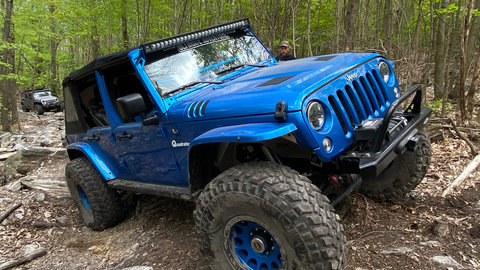
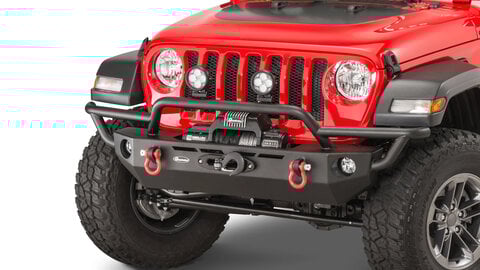
It happens somewhere between the daily drive, a weekend trail run, and everything you’ve added to your Jeep along the way. Things like those bigger tires, heavier bumpers, maybe even a roof rack or steel side protection. It all adds up.
And while fuel economy was never the reason you bought a Jeep, that doesn’t mean you have to ignore it entirely.
The reality is, small changes can make a helpful difference. Not by turning your Wrangler into something it’s not, but by helping it run a little smarter, a little cleaner, and a little farther between stops.
Whether your Jeep is stock or fully built, these five practical adjustments can help you get more out of every tank without giving up the capability that brought you here in the first place.

Cut Excess Weight
Every extra pound your Jeep carries make the engine work harder, and that means more fuel burned.
So, take inventory of exactly what is on, or in, your vehicle. Start by removing anything you don’t need for daily driving or your next trail run. Bulky tool kits, unused recovery gear, old roof rack accessories, or leftover camping equipment all add up. Even everyday items like sports gear, pet products, or cases of water can quietly increase weight.
Sure it’s convenient to leave things in your Jeep, but if you’re not actively using them, they’re costing you fuel.

Stay on Top of Maintenance and Reduce Drag
A well-maintained Jeep runs more efficiently. A neglected one pays for it at the pump.
Your wallet will thank you for keeping up with basic maintenance like oil changes and replacing air filters because clean airflow and reduced engine friction go a long way toward improving efficiency.
On the outside, pay attention to drag. Roof racks, oversized light bars, and high-mounted spare tires might look great and serve a purpose on the trail, but they also increase wind resistance, especially at highway speeds.
If you don’t need them for your current setup, consider removing them between trips.
Use Start-Stop and Limit Idle Time
Yes, we know, start-stop systems aren’t everyone’s favorite feature.
But if your Jeep is equipped with it, letting it do its job can save fuel over time, especially in traffic or at long lights. Those small moments add up more than you might think.
If your Jeep doesn’t have start-stop, the rule is simple: if you’re idling for more than a few minutes, consider shutting the engine off if possible. Idling burns fuel without getting you anywhere. It is simply just like throwing money out the window.

Watch Tire Pressure and Rolling Resistance
Tire pressure plays a bigger role in fuel economy than many people realize.
Under-inflated tires increase rolling resistance, forcing your engine to work harder just to maintain speed. This is especially true for larger all-terrain and mud-terrain tires.
If you do not have a tire pressure monitoring system, then check your tire pressure regularly, especially after temperature changes or trail runs where you’ve aired down. If you have TPMS, address that low pressure as soon as possible.
Keeping tires at proper cold pressure helps your Jeep roll more efficiently and reduces unnecessary drag.

Drive Smarter
How you drive matters just as much as what you drive.
Aggressive acceleration, hard braking, and constant speed changes all burn more fuel. Instead, focus on smooth, controlled driving. Accelerate gradually, maintain steady speeds, and (if you don’t already) use cruise control on the highway when possible.
Looking ahead and anticipating traffic conditions can also help you avoid unnecessary stops and starts.
It’s a simple shift in habits, but it can make a noticeable difference. And no, these changes won’t turn your Wrangler into a gas sipping sedan.
But they will help stretch your fuel further, leaving more room in your budget for what really matters, whether that’s your next set of tires, trail gear, or upgrade.
Recommended Reading:
Lynx Wheel Buying Guide: Trail Gunner II vs Hangfire vs Navicon vs Stynger